When it comes to orthopedic implants, the cloverleaf plate is one of those unsung heroes. It doesn’t get much attention outside surgical circles, but it plays a crucial role in helping bones heal, especially in complex fractures around the proximal humerus or distal femur. If you’re new to the world of orthopedic devices, the term “biomechanics of cloverleaf plates“ might sound intimidating. But once you break it down, it’s surprisingly approachable. Let’s walk through the essentials.
What Exactly Is a Cloverleaf Plate?
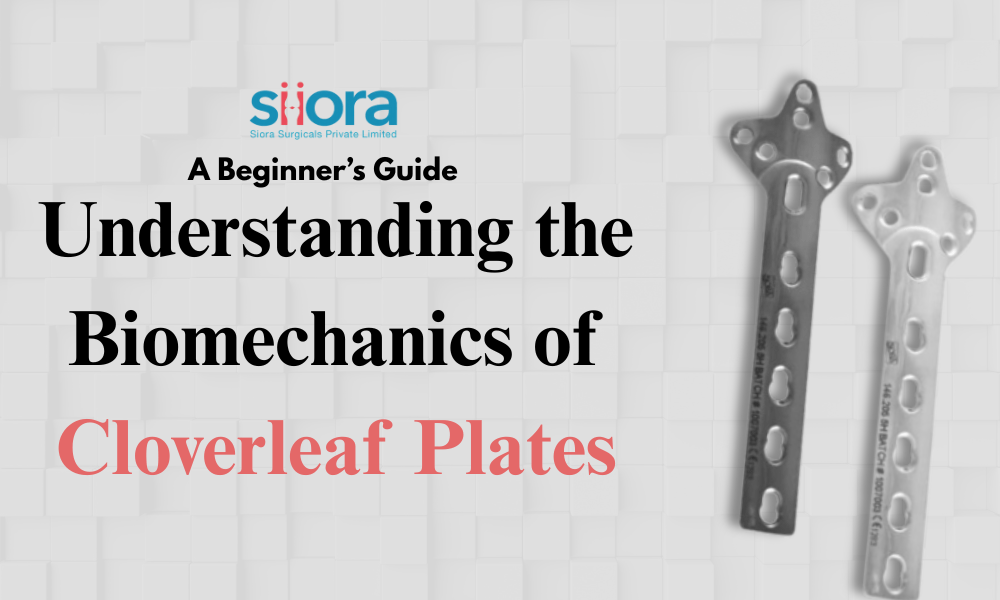
A cloverleaf plate is a type of metal implant used in orthopedic surgery. It’s named for its three-lobed shape that resembles a cloverleaf. These plates are typically made from stainless steel or titanium and are used to stabilize fractured bones, particularly in areas where the bone has a complex shape or experiences a lot of movement.
The cloverleaf design isn’t just cosmetic. Its shape is strategic. It allows for a broader distribution of screws, which means better grip on the bone and more stability during healing. The plate can wrap around part of the bone and accommodate different angles, making it especially useful for fractures in curved or rounded bone areas.
Biomechanics: The Basics You Need to Know
Biomechanics, in simple terms, is how biological structures like bones and muscles respond to forces. When a bone breaks, the body’s natural healing process kicks in, but it needs the right mechanical environment to succeed. If there is too much movement at the fracture site, healing is delayed. Too little stress, and the bone might not remodel correctly.
Cloverleaf plates help strike this balance. They act like scaffolding: holding bone fragments in place while allowing just enough micromotion to stimulate healing. Here are the key biomechanical principles involved:
- Load Sharing: Rather than taking all the stress off the bone, cloverleaf plates share the load. This encourages the bone to gradually bear weight again, which is essential for healing and regaining strength.
- Stability Through Screw Placement: The cloverleaf shape allows for multiple screws at varying angles. This gives the plate a strong hold on the bone and keeps it stable, even under dynamic loads like walking or lifting.
- Bending and Torsional Strength: Bones don’t just handle up-and-down forces; they also twist and bend. The geometry and material of the cloverleaf plate are designed to resist these forces without deforming, reducing the risk of implant failure.
Where and Why Cloverleaf Plate Used?
You’ll often find cloverleaf plates used in the upper arm (proximal humerus) and near the knee (distal femur). These are tricky regions where fractures are often fragmented or involve joints. Because of the plate’s shape and screw configuration, it allows surgeons to stabilize even small or odd-shaped fragments with precision.
For patients, this means a better chance at regaining normal function. Proper alignment and stabilization reduce the risk of post-surgical complications like joint stiffness, delayed healing, or implant loosening.
Final Thoughts
Understanding the biomechanics behind something like a cloverleaf plate might seem technical at first, but it’s really about problem-solving. It’s about using design and engineering to help the body heal itself safely and effectively. As you explore more in the world of orthopedic implants, you’ll start to see just how much thought goes into every piece of metal that enters the operating room. And with that understanding comes greater respect for both the science and the art behind surgical healing.
 Ortho Implants Company